




Taking a Life to Save an Organ
Struggling through difficult questions surrounding the meaning of death and organ donation is not optional for the Church.
04/22/26
John Stonestreet and Timothy D Padgett

On March 26, 25-year-old Noelia Castillo Ramos was put to death by the Spanish government. She had not committed any crime. In fact, she was the victim of a horrendous one.
In 2022, Ramos was sexually assaulted by a group of men, which compounded her existing mental struggles and led to at least two suicide attempts. One of the attempts left her with permanent injury and constant pain. Eventually, she appealed to die by euthanasia, which had been legalized in Spain in 2021.
For two years, her parents tried to save her with the help of a Christian law group. In the end, the government and medical authorities determined her life not worth living. One of her friends was even prevented from saying goodbye to Ramos out of fear that she'd convince her to change her mind and want to live.
Authorities had reason to fear that outcome. According to one of her father’s lawyers, Ms. Ramos had sought a 6-month extension, but her request was denied. As her own attorney explained, "The hospital pressured for euthanasia because her organs were already committed."
Her story includes almost everything that is wrong with the "death with dignity" movement. She was the victim of a crime but was punished. She needed help but was instead helped to die. Her wishes to live longer were denied under the guise of saving lives. The state preempted her parents and friends. In the end, she was killed for her organs. And that's just part of the story.
Back in 1978, Michael Crichton, author of Jurassic Park, directed a TV movie called "Coma." It starred Michael Douglass as a young medical student who discovered that otherwise healthy young people were slipping into comas because a group of doctors hoped to harvest their organs. It was an early example of just how prophetic Hollywood art can be.
For example, in a recent New York Times op-ed, a group of doctors called for an "expanded definition of death" so that more organs could be harvested. In response, a UK whistleblower offered the following description of what that would actually mean:
You cannot take organs from a cadaver. The best organ donors have a beating heart, a circulation, under 30 years old and ideally on a ventilator. Basically, someone is being murdered to give someone else organs. The entire brain-dead scenario is a lie.
Ethical scenarios like this were unthinkable until quite recently in human history. Just a few decades ago, a broken or diseased organ was a death sentence. Then, in 1967, doctors pulled off the first successful heart transplant. Since then, thousands of lives have been saved through organ transplantation and donation.
And yet, this groundbreaking medical innovation has become a crisis. The ability to transplant organs has become a shortage of organs. Because there are more people who can be saved, we are told they must be saved even if that means some people should die.
This kind of moral reductionism of human beings is both degrading and dangerous. As Wesley J. Smith said at National Review in response to the New York Times piece:
We must not yield to the utilitarian temptation in health care. Pretending that a patient is dead does not make him deceased. This proposal—and others like it—have the awful potential to seriously corrode trust in the ethics of transplant medicine among an already wary public.
The "utilitarian temptation" is the misguided notion that the end justifies the means. Obviously, the Bible is silent on organ donation, but it rejects pragmatic approaches to moral decisions, especially when it comes to human dignity and essential moral values.
In the biblical view, humans cannot be reduced to mere bodies, nor can bodies be reduced to disposable and unimportant flesh. In his book, Bioethics: A Primer for Christians, Gilbert Meilaender called this "the sort of slippery slope on which we stand if we permit ourselves to believe that ours is the godlike responsibility of bringing good out of every human tragedy."
And this means that for Christians today, struggling through the difficult ethical questions surrounding the meaning of death and organ donation is not optional. To paraphrase C.S. Lewis, good ethics are necessary if for no other reason than bad ethics exist. And of course, many of us will need to make decisions for ourselves and loved ones in the context of confusion and suffering. At the very least, Christians who believe in the God who makes dead people alive, should be the first to push back on playing god with life and death.
Editor’s Note: A previous version of this story indicated that Ms. Ramos’s lawyer mentioned a six-month extension instead of her father’s lawyer.
Share


Have a Follow-up Question?
Ask hereUp
Next


Related Content
 Another Discovery Affirms the Historicity of the Bible April 6, 2022John Stonestreet and Timothy D Padgett Articles, BreakPoint The Bible doesn't claim to be true in some watered-down "spiritual" sense. It claims to… …
 How Christianity Changed the Way the World Sees Disability, What Many Miss about Happiness, and New Study on Trans Surgery March 7, 2025John Stonestreet and Maria Baer Articles, BP This Week John and Maria discuss DJ Daniel, Disability Awareness Month, and Christian history. …
 A Moment for Renewing Education and the Consequences of Over-Diagnosing Prenatal Conditions February 28, 2025John Stonestreet and Maria Baer Articles, BP This Week Big changes are being proposed to how we do education in America. …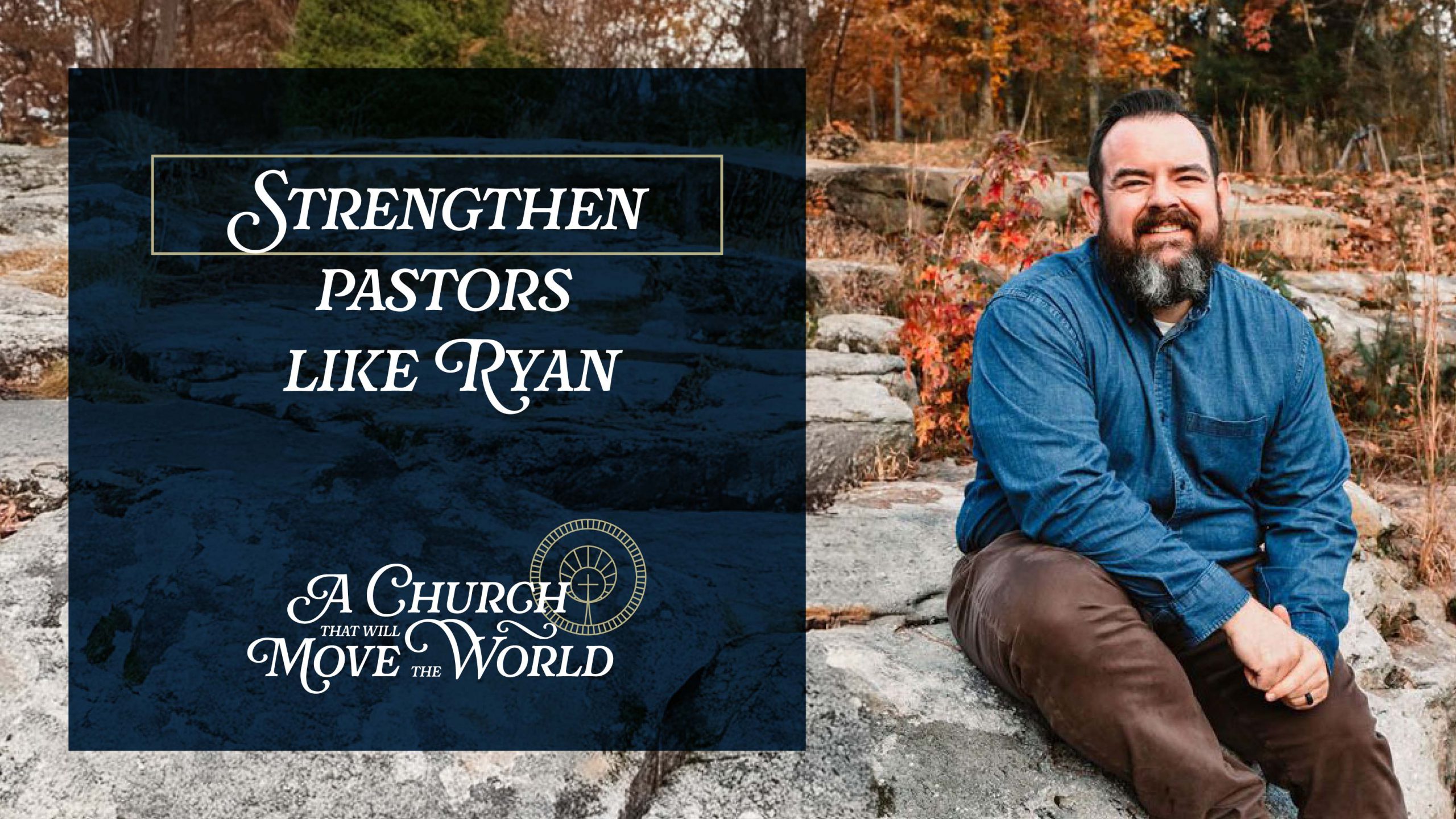
Your gift will have DOUBLE the impact on pastors like Ryan!
"I wanted to.... teach my congregation to live in the world faithfully and not just share a gospel presentation. It's about being able to tell a story about what God's doing in the world."


© Copyright 2020, All Rights Reserved.




Learn
Connect

Programs
Store
Sign up for the Daily Commentary